
Beginner Driver Education · Driver Behaviour
The Influence of Advertising on Driver Behaviour
Driviology Road Safety Education Team
What this actually means for you
Advertising sells cars with speed, power, and rebellion — and it sells them hard, on billboards placed exactly where drivers will see them. None of that is an accident, and none of it has anything to do with how the car should actually be driven on public roads.
Influence of Advertising on Driver Behaviour | Road Safety Insights
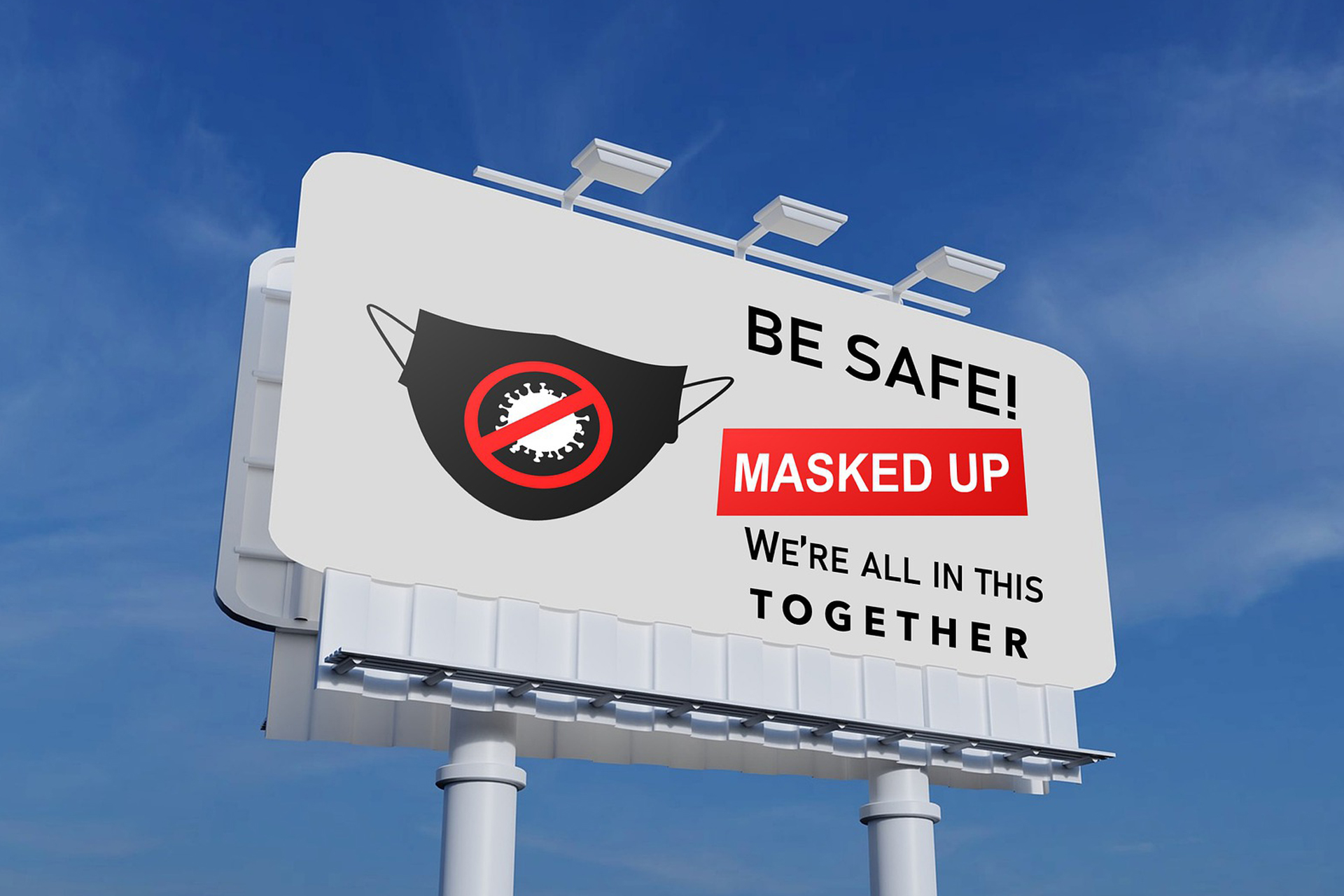
Media advertising significantly impacts our daily lives, and vehicle operators are no exception. Some roadsides are full of advertising billboards. Those billboards are designed to draw drivers' attention, distract them from the primary driving task, impact vehicle control performance, and, consequently, lead to road crashes.
Drivers must be mindful that the purpose of the advertisement is to promote the product, like the car, and how fast a particular vehicle can accelerate. Drivers must recognize that that is all marketing strategy and should not practice speeding on open roads.
Did you know how fast a car can accelerate to 60 kilometres per hour?
- Tesla Model S - 2.4 seconds
- Porsche 918 Spyder - 2.2. seconds
- Koenigsegg Gemera – 1.9 seconds
- Toyota Camry X.S.E. V6 – 5.8 seconds
Some advertisements may influence drivers to get involved in car racing or reckless driving and violate traffic laws. In that case, they must understand that they have to bear all the consequences and may face prosecution as per the law they broke.
The thought-provoking messages can help educate drivers and may result in altering their behaviour.
Advertising significantly influences driving, as it can shape driver behaviour, attitudes, and decision-making. Advertisements for vehicles and related products can impact how people view driving and their choices while driving. Here are some examples of the influence of advertising on driving:
- Vehicle safety features
Vehicle advertisements often promote safety features such as lane departure warnings, collision avoidance, and blind-spot detection systems. These ads can raise awareness of the importance of safety while driving and influence drivers to prioritize safety when choosing a vehicle.
- Distracted driving
Advertisements for in-vehicle technology, such as infotainment systems, can also influence driving behaviour. Ads that show drivers using their phones or interacting with in-car technology while driving can normalize distracted driving behaviour and encourage drivers to engage in risky behaviour.
- Speeding
Advertisements for high-performance vehicles or tires can promote speed and acceleration, influencing drivers to prioritize speed and performance over safety. These ads can also normalize speeding behaviour, increasing the risk of collisions and other accidents.
- Impaired driving
Advertisements for alcoholic beverages or other products encouraging drinking can normalize impaired driving behaviour. For example, ads that depict social gatherings or parties where alcohol is consumed can send the message that drinking and driving are acceptable.
- Sustainability
Advertisements for electric or hybrid vehicles can influence drivers to prioritize sustainability and environmental responsibility when choosing a vehicle. These ads can promote reducing carbon footprints and conserving resources, influencing driving behaviour and transportation choices.
Overall, advertising can significantly impact driver behaviour and decision-making. Advertising can play a crucial role in road safety by promoting safe and responsible driving practices and raising awareness of the dangers of distracted or impaired driving. However, advertisements that promote risky driving behaviours, such as speeding or distracted driving, can increase the risk of collisions and other accidents. Advertisers need to consider the potential impact of their messaging on driving behaviour and prioritize road safety in their advertisements.
Using this on Ontario roads — and on your road test
There is a second, more immediate issue on Ontario roads: billboards and signs are designed to pull your eyes off the road, and even a two-second glance at highway speed covers a lot of road blind. In the GTA, where signs compete for attention along the 401 and Gardiner, the discipline is the same as with any distraction — the ad can wait, the road cannot.
Questions drivers ask us
How does car advertising influence drivers?
It links driving with speed, power, and status, which can make aggressive driving feel normal or admirable — especially for newer drivers forming their habits.
Are billboards a real distraction risk?
Yes. Anything that draws your eyes away from the road for a few seconds at highway speed means travelling a long distance without looking.
How do I keep ads from affecting my driving?
Treat them like any other roadside distraction: eyes back to the road, and buy or admire cars when you are parked — not at 100 km/h.