
Beginner Driver Education · The Vehicle and Its Components
Understanding Communication Devices in Vehicles: Importance and Functionality
Driviology Road Safety Education Team
What this actually means for you
Your car's communication devices are how you talk to every other driver without saying a word: signals say where you are going, hazard lights say something is wrong, the horn says 'look up, now,' and your lights say where you are. Used early and clearly, they prevent the guesswork that causes collisions.
Communication Devices in Vehicles | Safety and Functionality
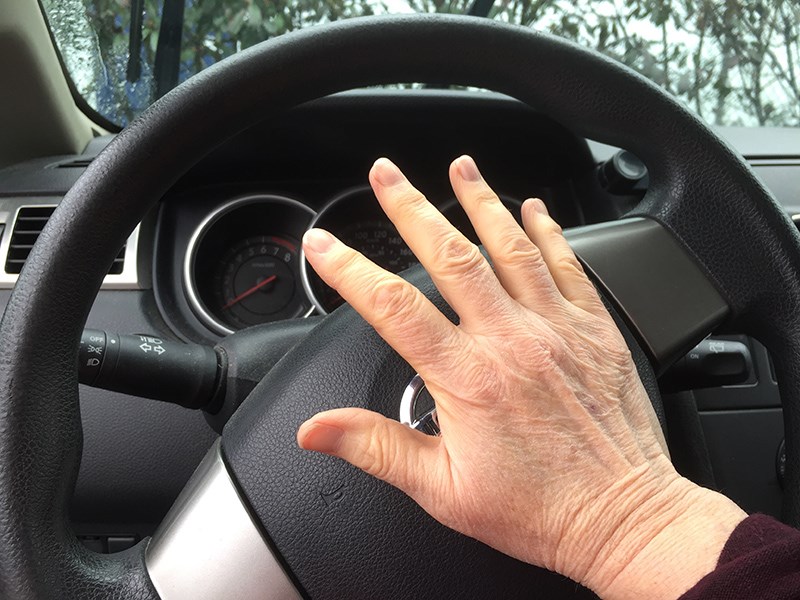
Horn
The horn is an essential communication device located at the center of the steering wheel. A horn is used to warn other drivers of the presence or call attention to a road hazard.
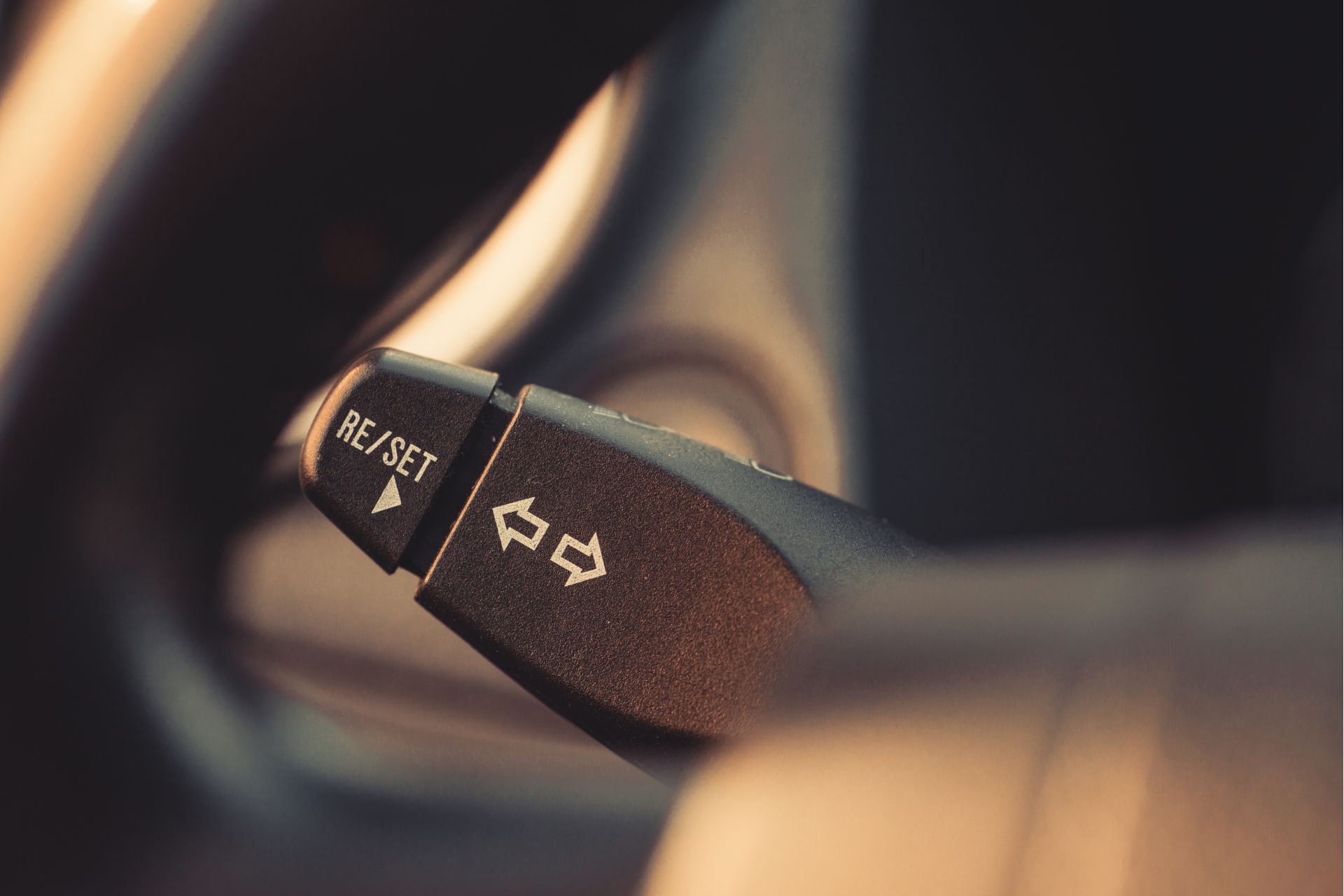
Turn signals
In most vehicles, turn signals are on the left side of the steering wheel. Turning the stock up indicates turning right, and turning it down shows turning left.
Driver must use the indicator during all these times:
- Making a turn at an intersection
- Parking on the side of the street
- Entering a driveway or parking lot
- Changing lanes
- Pulling over
- Merging with a new line of traffic
- When exiting a roundabout
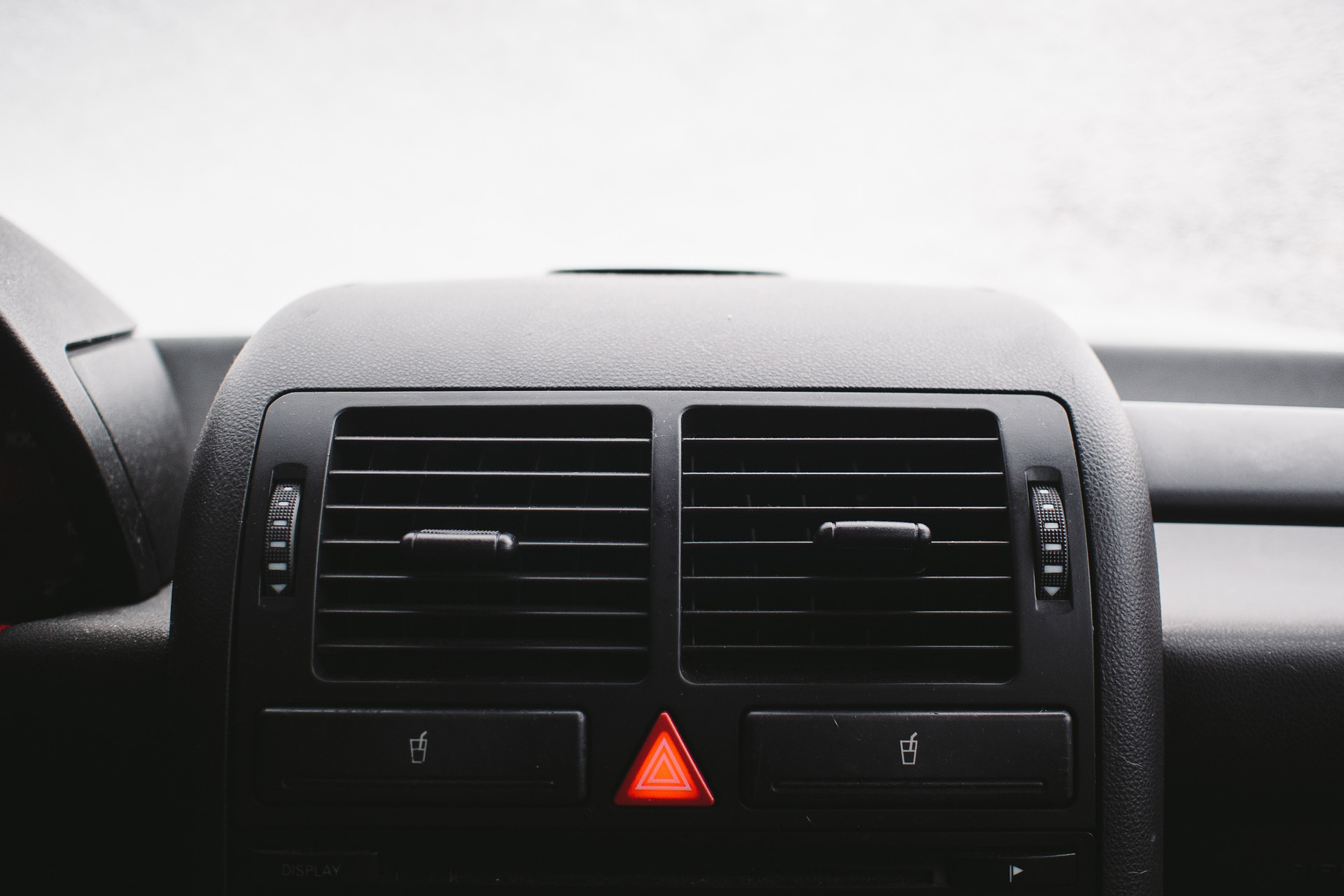
Hazard lights
When the car is parked, especially in the non-parking area, the driver turns on hazard or emergency lights. These lights inform drivers of possible dangers that are temporarily impeding traffic. If an emergency stops on the road, the driver must not forget to turn on the hazard lights.

Headlights
Headlights have two settings: High or low beams.
Drivers use low beams in well-lit areas during the night. They must turn low beams when it gets dark to ensure they are visible to other drivers. High beams, on the other hand, are used on dark, empty roads. If crossing paths with another road user, be sure to dip (lower) the lights to avoid blinding them.
Using this on Ontario roads — and on your road test
In Ontario, signalling is not a courtesy — it is a legal requirement and a scored skill. On your G2 or G test, examiners watch for signals before every turn and lane change, given early enough to be useful.
Questions drivers ask us
When do I have to use my turn signals in Ontario?
Before turning or changing lanes, every time — early enough that other road users can react.
When should I use hazard lights?
When your vehicle is stopped or moving slowly in a way that could surprise others — a breakdown, a sudden traffic stoppage ahead, or very slow movement.
Can you fail your G2 for not signalling?
Repeated missed signals will cost you the test. Signalling is one of the most basic observations examiners score on every manoeuvre.