
Beginner Driver Education · Attention
Mastering Divided Attention for Safe Driving
Driviology Road Safety Education Team
What this actually means for you
Driving constantly asks you to split your attention: steer, watch speed, read signs, track the car ahead, notice the pedestrian. Divided attention is the skill of sharing your focus across all of that without dropping any of it.
Divided Attention: Strategies for Safe Driving
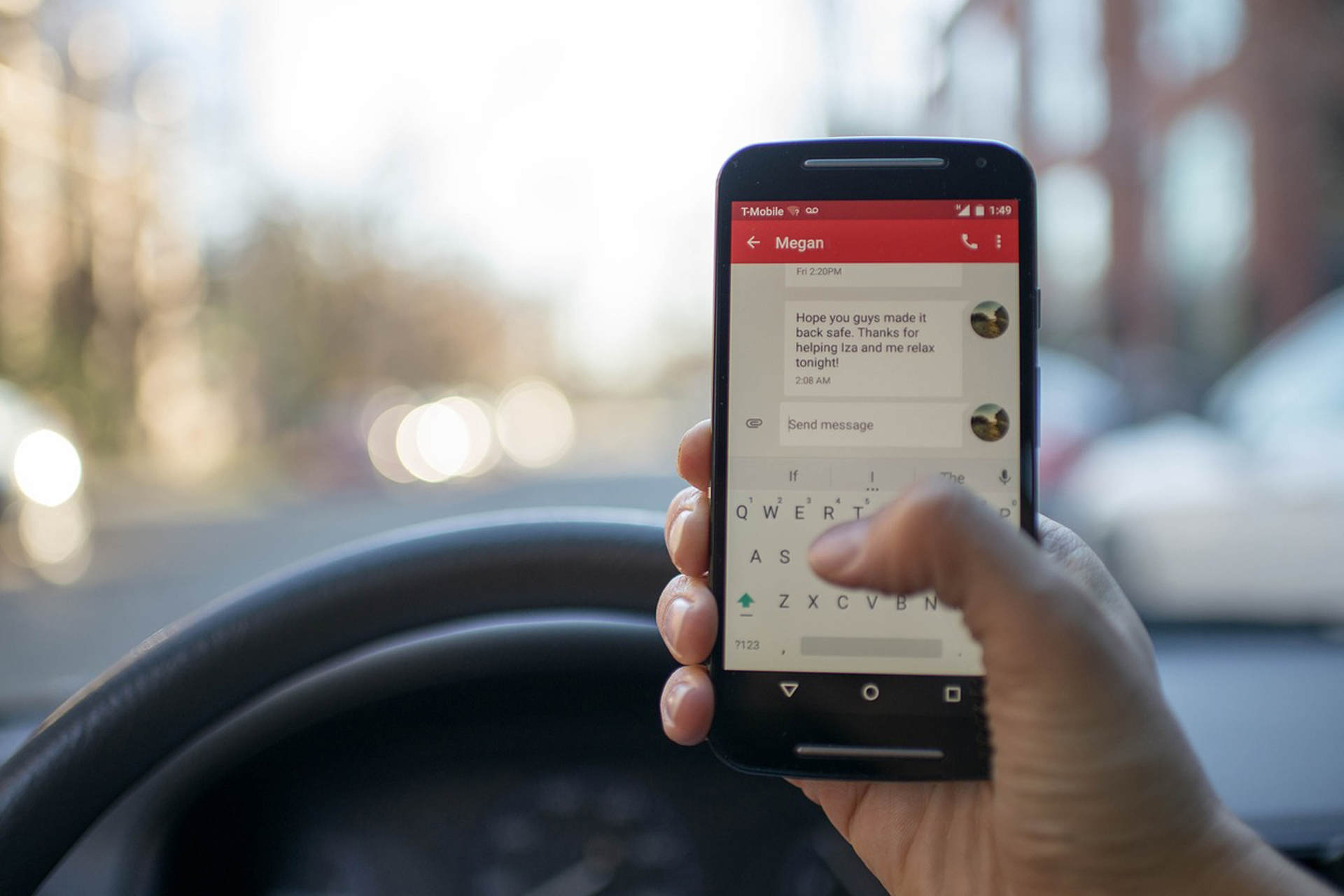
Divided attention involves managing multiple tasks simultaneously while driving, such as vehicle control, observing the road, and responding to external stimuli. Effective management is crucial for road safety.
Components
- Visual Attention: Scanning the road, mirrors, and traffic signals.
- Auditory Attention: Listening to environmental sounds like sirens and horns.
- Manual Attention: Operating the vehicle's controls.
- Cognitive Attention: Processing information and making decisions.
Challenges
- Cognitive Overload: Too much information reduces focus and slows reaction times.
- Reduced Reaction Time: Slower responses to unexpected events.
- Increased Error Rate: Higher likelihood of mistakes.
- Fatigue: Mental fatigue from managing multiple tasks.
Examples
- Using GPS Navigation: Glancing at the screen diverts attention.
- Listening to Music: Adjusting controls can be distracting.
- Conversations: Talking diverts cognitive and auditory attention.
- Managing Controls: Adjusting settings requires manual and visual attention.
Strategies
- Minimize Distractions: Set up controls before driving.
- Prioritize Tasks: Focus on essential driving tasks.
- Use Hands-Free Devices Wisely: Use sparingly.
- Take Breaks: Reduce fatigue on long drives.
- Stay Focused: Concentrate on driving.
Technology
- Lane-Keeping Assist: Alerts for lane drifting.
- Automatic Emergency Braking: Applies brakes to avoid collisions.
- Adaptive Cruise Control: Maintains safe following distance.
Conclusion
Managing divided attention is essential for safe driving. Drivers can enhance road safety by minimizing distractions, prioritizing tasks, and using technology.
Using this on Ontario roads — and on your road test
In the GTA the demands stack up fast: a multi-lane arterial, construction signs, a navigation prompt, and traffic braking ahead, all at once. The strategy is priority and simplicity — handle adjustments before you move or while stopped, keep instructions set early, and let everything else wait.
Questions drivers ask us
What is divided attention in driving?
It is managing several necessary driving tasks at once — vehicle control, observation, signs, and traffic — while keeping the road as the first priority.
How do I stop getting overwhelmed in busy traffic?
Simplify: set navigation and music before moving, keep your scanning pattern steady, and deal with one demand at a time.
Can I check my phone quickly at a red light in Ontario?
No. Handheld device use is prohibited while driving, including while stopped at a red light, and penalties for new drivers are especially serious.