
Beginner Driver Education · Perception and Risk Management
Proactive Versus Reactive Driving: Ensuring Road Safety
Driviology Road Safety Education Team
What this actually means for you
A reactive driver deals with problems when they arrive. A proactive driver sees the problem forming ten seconds earlier — the ball bouncing toward the street, the brake lights three cars ahead, the cyclist drifting toward the lane line — and has already adjusted.
Proactive vs Reactive Driving | Understanding Road Safety
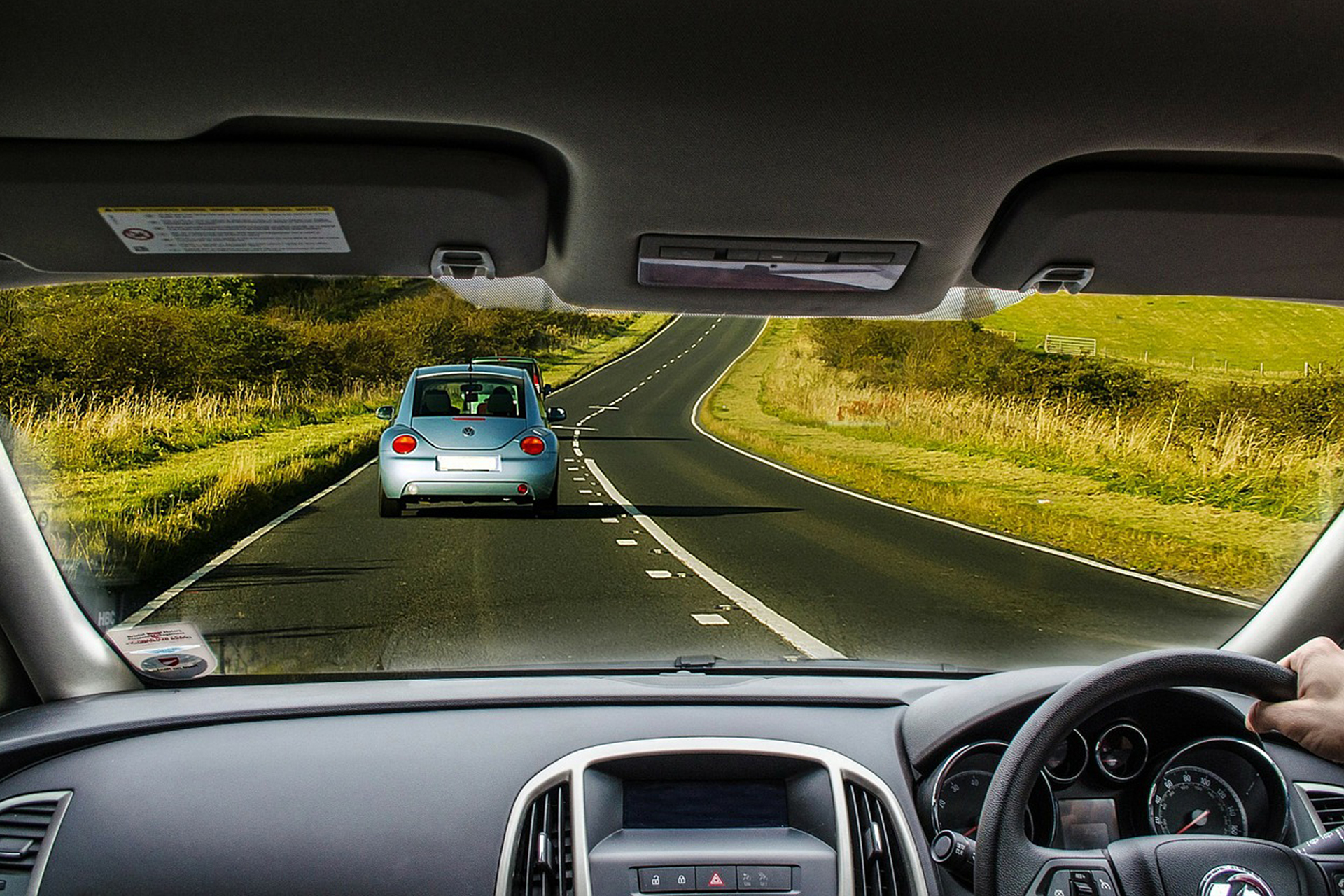
Proactive driving is the act of being a responsible driver.
It entails continuously scanning the road, predicting other road users' moves, and making moves to accommodate these changes early on.
On the other hand, a reactive driver responds to all challenges as they arise, sometimes after they have already occurred. A reactive driver makes no preparation or prediction.
The driver must never depend on other drivers. Never assume that other road users will do as they hope. Always have a second plan in case they make an unprecedented move.
Maintain a following distance of 3 to 5 seconds. This will allow the driver to carry out evasive manoeuvres if necessary.
Following the posted speed limit at all times.
Always have an escape plan. If the driver attempts any manoeuvre, ensure they know what to do if it does not work as planned.
Always communicate with other drivers, and be mindful that different drivers may want to speak, so it is essential to look out for them.
Using this on Ontario roads — and on your road test
On GTA roads, proactive driving is what keeps a merge on the DVP or a left turn across traffic on Eglinton from becoming a scramble. Look well ahead, check mirrors every few seconds, and always have a plan for the space around you.
Questions drivers ask us
What is the difference between proactive and reactive driving?
Reactive driving responds to hazards at the last moment. Proactive driving spots them early — through constant scanning and prediction — and adjusts speed or position before the hazard becomes urgent.
How do I become a proactive driver?
Keep your eyes moving: far ahead, mirrors, sides, and repeat. Ask yourself what the vehicles and pedestrians around you are likely to do next, and leave yourself room for it.
What do examiners actually check for on the G2?
Early observation, smooth speed control, safe gaps, and calm decisions. That is proactive driving, performed for forty minutes.