
Beginner Driver Education · Perception and Risk Management
Understanding Peripheral Vision and Its Importance in Safe Driving
Driviology Road Safety Education Team
What this actually means for you
Your central vision reads the sign directly ahead. Your peripheral vision — the wide, less detailed view to the sides — is what catches the movement that matters: the child stepping from between parked cars, the vehicle sliding into your lane, the cyclist approaching a junction.
The Importance of Peripheral Vision for Safe Driving
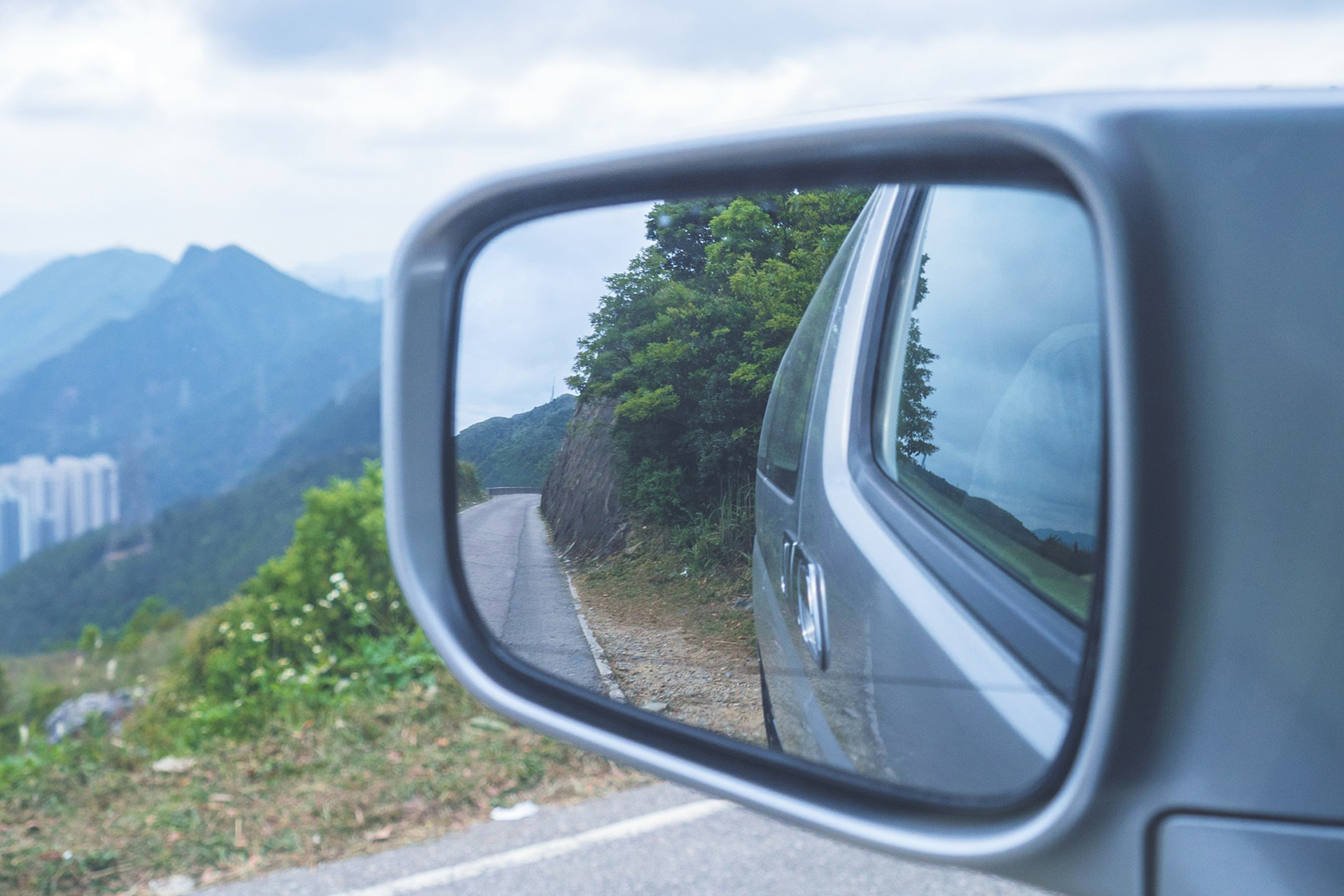
Importance of Peripheral Vision
While driving, drivers must effectively use both their central and peripheral vision. Central vision helps focus on specific objects directly ahead, such as road signs or the vehicle in front. However, peripheral vision is equally important for detecting movement and objects outside the direct line of sight, providing a broader awareness of the driving environment.
Balancing Central and Peripheral Vision
Acknowledge Peripheral Vision
- When focusing on something directly on the road, drivers should remain aware of their peripheral vision. Peripheral vision helps them notice vehicles, pedestrians, and potential hazards that are not directly visible.
Avoid Tunnel Vision
- Do not focus exclusively on what is directly in front. Ignoring peripheral vision can lead to tunnel vision, where the driver becomes unaware of their surroundings, increasing the risk of accidents.
Staying Calm and Alert
Remain Calm
- Some drivers may panic when they notice another vehicle or object in their peripheral vision. It's essential to remain calm and avoid sudden movements.
Check Surroundings
- Upon noticing something in the peripheral vision, drivers should calmly check their mirrors and blind spots to understand the situation.
Accommodate Accordingly
- Drivers should adjust their driving appropriately based on central and peripheral vision information. This may include changing lanes, slowing down, or being prepared to stop.
Enhancing Peripheral Awareness
Regular Mirror Checks
- Frequently checking rearview and side mirrors can help maintain a good awareness of the surroundings.
Scanning Techniques
- Use a scanning technique where the eyes move continuously from one point to another, ensuring that central and peripheral areas are monitored.
Head Movements
- Slight head movements can expand the field of vision, making it easier to use peripheral vision effectively.
Practice
- Regularly practicing awareness techniques can improve the ability to use peripheral vision while driving, making it a natural part of the driving routine.
Conclusion
Effectively using both central and peripheral vision is critical to safe driving. By acknowledging peripheral vision, avoiding tunnel vision, and staying calm, drivers can better detect and respond to potential hazards. Regular mirror checks, scanning techniques, and practice can enhance peripheral awareness, contributing to a safer driving experience.
Using this on Ontario roads — and on your road test
In GTA driving, peripheral vision is constantly earning its keep: a pedestrian's movement at the edge of a crosswalk on Yonge Street, a car creeping from a driveway in a Scarborough subdivision, brake lights flickering two lanes over. On your road test, examiners watch your eyes and head movements — visible scanning, mirror checks, and shoulder checks show them your observation system is working.
Questions drivers ask us
What is peripheral vision in driving?
It is your side vision — the wide view that detects movement and change outside your direct line of sight.
How do I use peripheral vision better?
Keep your eyes moving and look well ahead, not fixed on the car in front. Scanning wide lets your peripheral vision catch movement early, then your central vision checks the details.
Do examiners watch my eyes during the test?
They watch your observation: mirror checks, head turns, and shoulder checks. Visible, regular scanning is a scored part of safe driving on both the G2 and G tests.